Parking and Loading Issues on London Road, Mitcham
Posted on 18/06/2026
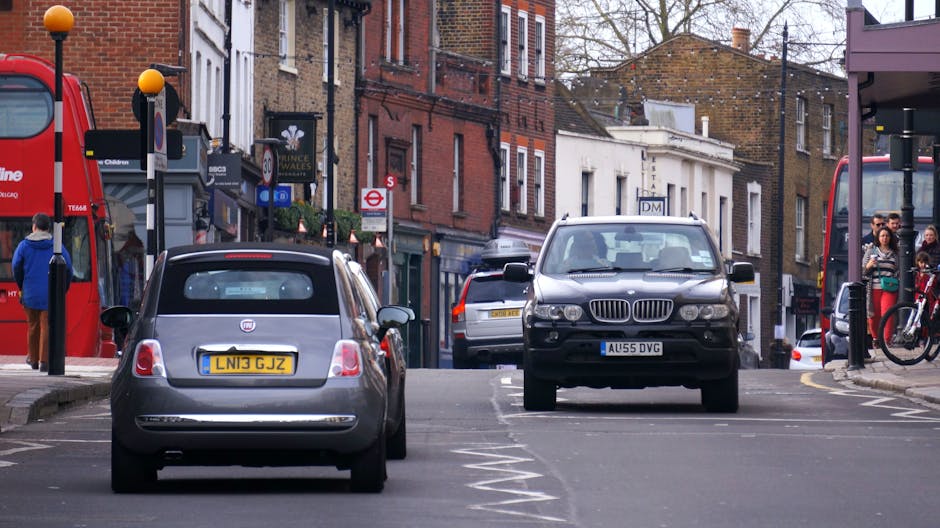
Trying to move on London Road, Mitcham can feel simple on paper and awkward in real life. The van turns up, the clock starts ticking, and suddenly parking is the puzzle that decides whether the whole move stays calm or turns into a scramble. That is exactly why understanding Parking and Loading Issues on London Road, Mitcham matters before a single box is lifted.
Whether you are moving from a flat, collecting furniture, clearing an office, or dealing with a last-minute same-day job, the loading side of the job affects timing, safety, cost, and stress. A few minutes of planning can save a lot of standing around with doors open, trolley wheels bumping kerbs, and someone nervously saying, "Can the van just stop here for a second?"
This guide breaks the topic down properly. You will find the practical realities, sensible planning steps, common mistakes, and the kind of local thinking that helps removals run smoothly on a busy road. If you are also looking at broader move preparation, it may help to read this guide to stress-free house moving and these efficient packing tips before the big day.
Why Parking and Loading Issues on London Road, Mitcham Matters
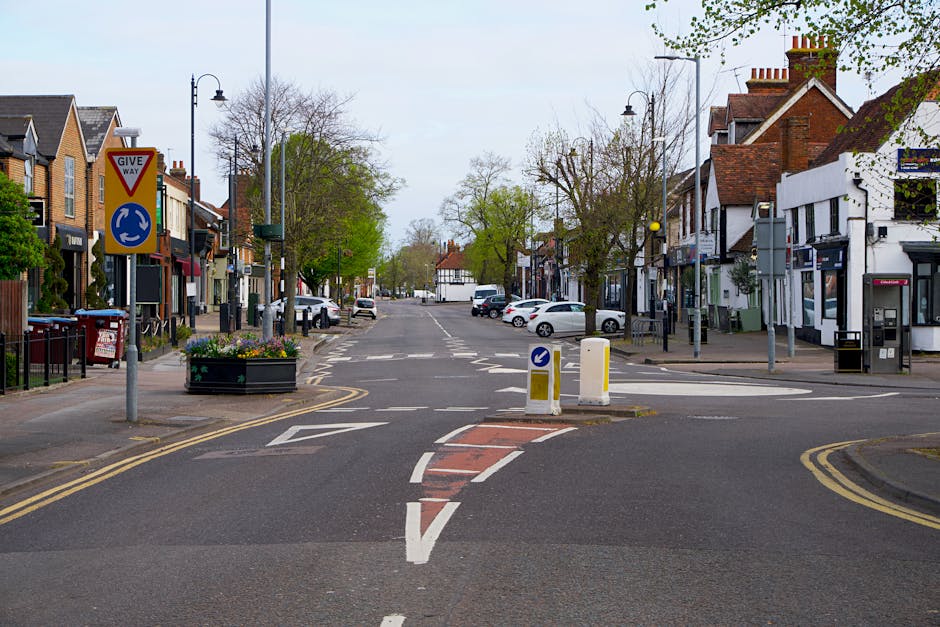
London Road is the kind of street where convenience depends on timing, vehicle size, and how well everyone involved understands the layout before arriving. If parking is tight, loading bays are occupied, or the pavement access is awkward, even a straightforward move can become slower and more expensive than expected.
For residents, landlords, students, and businesses, the stakes are not only about inconvenience. Poor parking choices can lead to double handling, longer carry distances, damaged items, blocked access for neighbours, and in some cases awkward conversations with drivers or enforcement officers. That is the practical side. The human side is the stress: people juggling keys, phones, and a sofa leg while trying not to block traffic. Not ideal, to be fair.
This is especially relevant if you are moving bulky or awkward items such as wardrobes, beds, white goods, or a piano. For those jobs, efficient vehicle positioning is not a luxury; it is part of the move itself. If you are dealing with a larger item, this piano moving guide is worth a look, even if your own job is less dramatic than a grand piano and more "three heavy drawers and a fridge that seems to have grown overnight".
Expert takeaway: On a busy London road, the best loading plan is the one that reduces walking distance, limits waiting time, and keeps the vehicle legally and safely positioned from the outset.
How Parking and Loading Issues on London Road, Mitcham Works
In plain English, loading on a busy road means getting the vehicle as close as possible to the property, keeping the process legal and safe, and moving items in the shortest sensible path. That sounds obvious, but the detail is where moves succeed or fail.
On a road like London Road, the setup usually comes down to a few moving parts:
- Vehicle placement: Can the van stop close enough to the entrance without obstructing traffic or creating danger?
- Loading duration: How long will the vehicle need to remain in position while items are taken out or loaded in?
- Access conditions: Is there a doorway, step, shared passage, lift, or narrow hallway to navigate?
- Local traffic flow: Is there a safer time of day for arrivals, fewer school-run peaks, or less general congestion?
- Neighbour and pedestrian access: Can others still pass through without disruption?
The tricky bit is that the "best" plan is not always the one closest to the front door. Sometimes you need a slightly more distant but safer place to stop, then use trolleys, team lifting, or a staged loading approach. That is where planning beats guesswork every time. If you want to understand the physical side of moving awkward loads without wrecking your back, this piece on kinetic lifting explains the mechanics in simple terms.
In real jobs, the loading sequence is often:
- Confirm the access point and likely stopping position.
- Prepare the route inside the property.
- Load the most awkward or fragile items first, or at least the items that need the least delay.
- Keep the carry route clear.
- Check the van is secure before setting off.
If any part of that chain slips, time gets wasted. And once time goes, money tends to follow it.
Key Benefits and Practical Advantages
Good parking and loading planning is not just about avoiding hassle. It creates a measurable difference to how a move feels and how safely it runs.
- Less manual handling strain: Shorter carry distances mean less pressure on backs, shoulders, and hands.
- Lower damage risk: Fewer turns, lifts, and doorframe squeezes usually mean fewer scuffed corners and chipped walls.
- Faster job completion: Efficient loading reduces standing time and keeps the schedule realistic.
- Better cost control: Less wasted time can mean fewer billed hours on timed moves.
- Less disruption to neighbours and traffic: A tighter loading plan is generally easier to manage.
- More predictable day overall: The whole move feels more organised, which matters more than people admit.
There is also a comfort factor. When the vehicle is positioned well, the crew can move in a rhythm. Doors open, items flow, and nobody is constantly pausing to re-think the route. That small rhythm shift changes the whole atmosphere.
If your move includes anything bulky that may need to be staged separately, such as a sofa or freezer, it can help to plan those items early. Our guides on safeguarding a sofa for storage and storing an idle freezer properly are useful if the loading plan includes temporary storage or split delivery.
Who This Is For and When It Makes Sense
This topic matters to more people than you might think. It is not just for removal firms or van drivers. Anyone moving on or near London Road can benefit from understanding how parking and loading works.
You will especially want this if you are:
- moving home from a flat, maisonette, or terraced property
- arranging a student move with limited time and lots of boxes
- relocating an office with desks, chairs, and filing cabinets
- collecting large furniture from a seller or storage unit
- planning same-day removals where timing is tight
- handling a move that includes awkward items, appliances, or fragile furniture
It also makes sense if you know the property has awkward access. Maybe the entrance sits back from the road, the parking is limited, or there is no easy place for a van to wait. In those cases, the loading strategy matters almost as much as the van size itself.
If you are a student, there is often a temptation to treat moving day like a quick taxi run with boxes. That can work for one suitcase. Not so much for a bed base, a desk chair, and five crates of books. For those situations, student removals in Mitcham can be a more realistic fit.
Step-by-Step Guidance
Here is a sensible way to approach parking and loading on London Road without overcomplicating it.
1. Assess the property and road early
Look at the entrance, kerb space, visibility, nearby parking restrictions, and whether the van can stop without blocking too much. If possible, do this before move day. Even a five-minute look outside can tell you a lot.
2. Match the vehicle to the access
A larger van may reduce trips, but if it cannot position easily near the property, it can create delay. Sometimes a slightly smaller vehicle with smoother access is the smarter choice. That balance is worth thinking about carefully.
3. Decide where the loading point will be
Pick the most practical stopping spot, not just the nearest one. Consider the route from door to van, any steps, and how much room is needed for people to move safely.
4. Pack and label with the loading order in mind
The best packing strategy helps the van crew work faster. Essential items, fragile pieces, and awkward furniture should be easy to identify. If you need a reminder on smart packing, this packing guide is a solid reference.
5. Clear the route inside and outside
Remove anything that might slow the carry path: bins, loose rugs, small tables, plant pots, and clutter near the door. It sounds minor. It rarely is.
6. Load bulky items first where practical
Large pieces usually need the most space and planning, so getting them positioned early helps create structure in the van. The exact order depends on the mix of items, but heavy awkward goods generally need special attention.
7. Keep communication simple and direct
One person should guide the process. Too many instructions from too many people can slow things down quickly. A calm, clear voice beats a dozen half-finished suggestions. Every time.
8. Check the van before departure
Once loading is done, make sure items are secure, the doors are closed correctly, and nothing will shift in transit. It is a small final pause that prevents larger problems later.
If your move includes heavy single-person lifting or awkward turns, it can also help to review solo heavy lifting advice before trying to improvise. Sometimes the bravest choice is asking for help, honestly.
Expert Tips for Better Results
A few field-tested habits make a disproportionate difference on busy roads.
- Choose a sensible arrival window: A quieter time of day can reduce stress and improve access.
- Pre-stage items near the exit: Keep boxes and furniture grouped so the loading team does not waste steps.
- Use protection on contact points: Blankets, covers, and edge protection help when gaps are tight.
- Measure the awkward items: A sofa or mattress that just about fits in theory can still be a headache in practice.
- Keep one person free for coordination: Someone needs to watch the route, the vehicle, and the timing.
- Plan for weather: Rain changes grip, visibility, and handling. A damp morning in Mitcham can make everything feel a bit more annoying than expected.
One thing people often miss is the loading rhythm. When the first few items move well, the rest of the job tends to follow that pace. If the first ten minutes are chaotic, the whole morning can feel like wading through wet sand.
If you are moving a bed, mattress, or frame, it can be worth reading this step-by-step bed and mattress guide because those items are awkward in exactly the way parking and loading problems dislike most.
Common Mistakes to Avoid
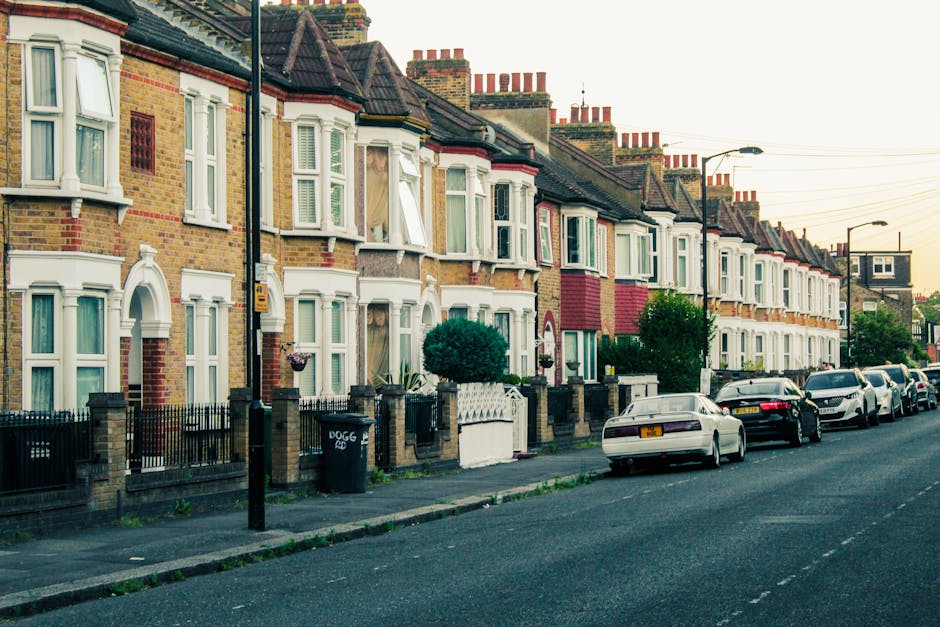
Most parking and loading headaches come from avoidable assumptions. The van will fit. The space will be free. The job will be quick. It will be fine. Sometimes it is. Often, not quite.
- Arriving without checking the stopping point: That is how delays start.
- Ignoring carry distance: A "nearby" parking spot can still mean a long, tiring walk with heavy items.
- Underestimating time for bulky pieces: Sofas, wardrobes, freezers, and desks always need more room than boxes.
- Leaving clutter by the door: Even small obstacles can slow every trip.
- Forgetting about neighbours or shared access: Shared entrances and driveways need tact, not guesswork.
- Trying to force a too-tight vehicle position: A rushed stop can create more problems than it solves.
A less obvious mistake is failing to sort unwanted items before move day. If you already know certain belongings will not be coming with you, move them out of the loading plan entirely. That is where decluttering pays off. A little ruthless, perhaps, but very effective. If you want a practical pre-move cleanout approach, these decluttering steps and this bulky waste guide can help.
Tools, Resources and Recommendations
You do not need a giant toolkit to handle parking and loading well, but a few items and habits make life easier.
- Measuring tape: Useful for checking furniture dimensions and doorway clearances.
- Furniture blankets and wrap: Helps protect items during short carries and tight turns.
- Trolley or sack truck: Handy when the route and item shape allow it.
- Labelled boxes: Makes loading sequence and unloading far more organised.
- Gloves with grip: Not glamorous, but practical.
- Phone notes or a quick loading plan: A simple written sequence can prevent confusion.
For many readers, the smartest resource is not another gadget. It is proper planning. A move checklist, a realistic van booking, and a clear idea of what can be loaded first are worth more than any miracle shortcut.
If you need a broader removal setup, the services overview is useful context, and removal services in Mitcham can cover a wider range of move types. For particularly furniture-heavy jobs, furniture removals are the more natural fit. If storage is part of the plan, storage in Mitcham can take pressure off a complicated move day.
Law, Compliance, Standards, or Best Practice
Parking and loading on a busy road should always be handled with care, even when there is pressure to finish quickly. Exact restrictions vary by location and day, so the safest approach is to check the situation in advance and avoid assumptions.
In practice, good compliance usually means the following:
- not obstructing traffic unnecessarily
- respecting loading time limits where they apply
- keeping access safe for pedestrians and residents
- avoiding unsafe double parking or blocked sight lines
- treating shared spaces and entrances with courtesy
There is also a wider safety angle. Moving heavy items in a tight street creates risk if people rush, twist awkwardly, or lift without a proper plan. A professional mover will normally focus on safe handling, reasonable vehicle positioning, and clear communication. That sits well with the expectations outlined in sensible health and safety practices and insurance and safety guidance.
If you are comparing providers, keep an eye on how they talk about access and loading. A good company will ask questions about parking, entry points, stairs, item sizes, and timing. That is a good sign. It means they are planning the job, not just hoping for the best.
Options, Methods, or Comparison Table
There is no single perfect method for every move on London Road. The right choice depends on access, item volume, urgency, and how much lifting you want to take on yourself.
| Approach | Best For | Strengths | Limitations |
|---|---|---|---|
| Kerbside loading close to the property | Short, straightforward moves | Fastest carry route, less fatigue | May be restricted by traffic or space |
| Staged loading from a safer stopping point | Busy roads and tighter access | More flexible and often safer | Can take longer and needs coordination |
| Smaller vehicle with easier manoeuvring | Awkward roads or limited space | Easier positioning, less blockage risk | May require more trips |
| Full-service removal support | Larger or more complex moves | Better planning, handling, and speed | More structured booking needed |
The right option is usually the one that reduces risk, not just the one that looks cheapest on day one. That point is easy to forget until you are trying to move a wardrobe around a parked vehicle with two minutes to spare.
If you are weighing up providers and value, this guide to comparing removal quotes is a helpful read before you commit.
Case Study or Real-World Example
Picture a typical weekday move on London Road. A resident in a first-floor flat has a bed frame, mattress, chest of drawers, and several boxes. The road is active early, a nearby space is available only for short loading, and the entrance sits a little back from the kerb.
At first glance, that sounds like a simple lift-and-go. In reality, it needs sequencing. The team places the van in the best available position, clears the hallway, moves the mattress and frame first while the carry route is clean, then loads the boxes and drawers in a way that keeps the van balanced. It is not flashy. It is just organised.
Because the items were packed properly and the route was planned ahead, there was no need for constant repositioning or repeated trips across the road. The move finished on time, without any drama. And that is usually the goal, isn't it? Not perfection. Just a day that works.
Where jobs become more complicated, same-day pressure can make parking and loading decisions even more important. In those cases, last-minute move options may be useful reading.
Practical Checklist
Use this quick checklist before move day. It is simple, but genuinely helpful.
- Confirm the property access and entrance route
- Check where the vehicle can safely stop
- Measure large furniture and awkward items
- Decide which items need loading first
- Clear clutter from doorways and hallways
- Label boxes clearly and consistently
- Protect fragile edges and surfaces
- Plan for weather, steps, and shared access
- Keep keys, phone, and any instructions accessible
- Build in a small time buffer for delays
Practical summary: If you can reduce the walking distance, simplify the loading order, and avoid last-minute parking guesswork, you will make the move faster, safer, and much less stressful.
Conclusion
Parking and loading issues on London Road, Mitcham are rarely dramatic on their own, but they shape the whole feel of a move. A good loading plan saves time, protects belongings, reduces strain, and makes the day easier for everyone involved. A poor one can turn a decent move into a long, tiring slog over a few metres of pavement.
The good news is that these problems are manageable. With a bit of planning, sensible timing, the right vehicle choice, and practical packing, most loading challenges become predictable rather than stressful. And predictable is a lovely thing on moving day.
If your move is coming up soon, think through the road access now, not later. The extra preparation pays for itself in peace of mind, and sometimes that is the best saving of all.
Get a free quote today and see how much you can save.