Avoid Fines: Mitcham's Waste Disposal Rules for Movers
Posted on 06/07/2026
If you're moving in or out of Mitcham, waste can become a sneaky problem fast. One minute you're sorting a wardrobe, the next you've got broken boxes, an old mattress, a pile of packaging, and a sofa that definitely won't fit in the van. This guide to Avoid Fines: Mitcham's Waste Disposal Rules for Movers is here to help you clear things legally, avoid messy surprises, and keep moving day calm instead of chaotic.
To be fair, most people do not set out to break disposal rules. They simply run out of time. But that is exactly when fines, missed collections, blocked pavements, and awkward loading issues tend to happen. Below, you'll find a clear, local-minded breakdown of what movers should do, what to avoid, and how to make sensible decisions without overcomplicating the whole thing.
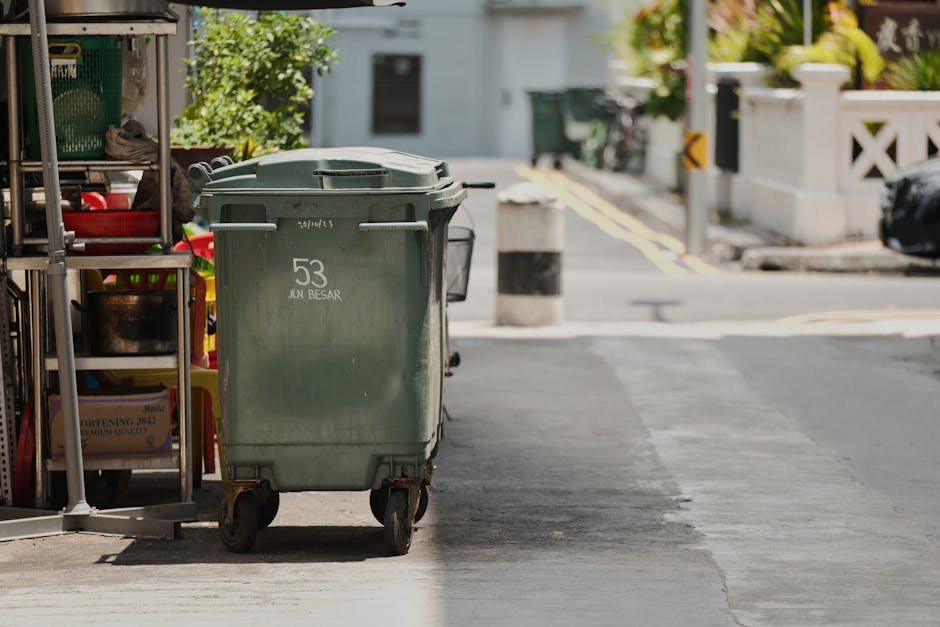
Why Mitcham's Waste Disposal Rules for Movers Matter
Moving creates more waste than most people expect. You are not just dealing with things you no longer want; you're also managing packaging, awkward bulky items, items that need special handling, and whatever gets damaged on the day. In Mitcham, as in the rest of London, the consequences of dumping waste irresponsibly can include penalties, complaints from neighbours, and delays to your move.
There is also the practical side. If waste is left outside a property too early, it can block access, attract complaints, and interfere with collection or loading. That is especially relevant on tighter roads and busier streets where parking is already limited. If you've ever stood outside a flat with a mattress, three box loads, and nowhere obvious to put them, you'll know the feeling. It gets a bit awkward. Fast.
For movers, the goal is not just to "get rid of stuff." It is to do so in a way that is safe, tidy, and sensible. That means checking what can be reused, what can be recycled, what may need a separate collection, and what should never be abandoned on a pavement or beside communal bins.
How Mitcham's Waste Disposal Rules for Movers Work
The basic idea is simple: you are responsible for the waste you create during a move until it is properly handed over for reuse, recycling, disposal, or collection. In practice, that means you need a plan before moving day, not after the van has already arrived.
Most moving waste falls into a few broad buckets:
- Reusable items such as furniture, appliances, or household goods that can be donated, sold, or passed on.
- Recyclable material such as cardboard, certain plastics, paper, and some metal packaging.
- Bulky waste such as sofas, wardrobes, mattresses, and broken furniture.
- Special items such as fridges, freezers, paints, electrical items, or anything that may need separate handling.
- General rubbish such as damaged packaging, tape, foam, and general move debris.
The smart approach is to sort each category early. A lot of fines and headaches happen because people treat everything as one pile and hope it will "sort itself out" later. It rarely does.
If you are moving from a flat, the process can be especially sensitive because communal areas, stairwells, and shared bin spaces can quickly become cluttered. For a bit more context on planning a smaller property move properly, you may find the advice on flat removals in Mitcham useful when you're deciding how to manage bulky items and access.
Key Benefits and Practical Advantages
Following waste disposal rules is not just about avoiding penalties, though that is obviously a big part of it. It also makes the move smoother in small but noticeable ways.
- Less stress on moving day: fewer last-minute decisions about broken furniture or leftover packaging.
- Cleaner access: hallways, driveways, and loading areas stay easier to use.
- Lower risk of neighbour complaints: especially in shared buildings or tight residential streets.
- Better use of van space: you are not hauling out items that should have been removed earlier.
- More recycling and less waste: which matters if you're trying to move responsibly.
There is also a cost angle. Proper sorting may save you from paying to dispose of things that could have been donated or recycled. On the flip side, throwing everything into a random heap can force you into rushed paid disposal later. And rushed usually means expensive. Funny how that works.
If your move involves a lot of packing materials, it helps to think about the sequence of tasks as well. Good packing practice can reduce waste and damage. This is where guides like efficient packing when moving house and packing supplies and boxes in Mitcham can support a cleaner, more organised move overall.
Who This Is For and When It Makes Sense
This matters for almost anyone moving house, but it is especially helpful if you are dealing with any of the following:
- a last-minute move with limited time for sorting
- a property full of old furniture or mixed clutter
- shared building access, communal bins, or narrow hallways
- bulky items that won't fit in normal household waste
- electrical appliances or awkward items that need careful handling
- a landlord or letting agent expecting the property to be left clean and clear
It also makes sense if you are moving a student property, a family home, or an office space where waste tends to build up quickly in corners no one wants to admit exist. Student moves in particular can create a surprising amount of discarded stuff. For that kind of move, student removals in Mitcham can be a useful reference point when you're trying to move quickly and cleanly.
If you are moving out of a rental, timing matters even more. Many tenants forget that they need to leave the place properly cleaned and emptied, not just "mostly cleared." The guidance in cleaning a house before moving out pairs well with waste planning because the two jobs overlap more than people think.
Step-by-Step Guidance
Here is the practical route we recommend. Not fancy, just effective.
- Walk through the property early. Make a simple list of everything you want to keep, sell, donate, recycle, or dispose of. Do this before packing starts, ideally while you still have room to think.
- Separate bulky items first. Sofas, wardrobes, mattresses, desks, and appliances need a plan of their own. They should not be left to the last minute. If you need help with large furniture, furniture removals in Mitcham is a relevant support option to consider.
- Check what can be reused. Good condition items may be sold, gifted, or stored for later. If you are not sure what to do with a sofa, for example, the article on safeguarding a sofa for long-term storage gives useful context on keeping it in proper condition if you are not ready to let it go.
- Sort recyclables into clean groups. Flatten boxes, remove obvious tape where possible, and separate clean cardboard from mixed rubbish. This saves space and makes disposal easier.
- Handle appliances carefully. Fridges and freezers are not just "big boxes." They often need careful preparation before storage or disposal. The guide on storing an idle freezer properly is useful if you're deciding whether to keep one temporarily.
- Book the right removal support. If the job is too big for your own vehicle, or you need help moving on a tight timetable, compare options properly. Reading how to compare removal quotes in Mitcham can help you avoid paying for the wrong level of service.
- Arrange access and parking in advance. This is the part people ignore, then regret. A van that cannot park close enough is a nightmare. On streets with limited room, the article on parking and loading issues on London Road, Mitcham is particularly relevant.
- Leave no loose waste behind. Do a final sweep. Tape, broken packaging, cable ties, and forgotten bits under the stairs all count. It's always the tiny stuff that catches up with you.
If you are trying to move at speed, this order matters. Sort first, move second, clear waste third. Or at least, don't do all three at once while holding a kettle and a roll of bubble wrap. That's how people end up stressed before 9 a.m.
Expert Tips for Better Results
In our experience, the best waste plans are boring in the best possible way. They are simple, predictable, and done early.
- Use one "waste zone" in the home. Put all items marked for disposal in one corner so they don't drift back into keep piles.
- Label by outcome, not by room. "Recycle," "donate," "dispose," and "store" is more useful than "kitchen" or "bedroom."
- Protect reusable items while you sort. A chair you might donate should not be dragged across damp concrete and scratched to bits.
- Think about weight and lifting. Some items are not just awkward; they are risky. If a wardrobe or washing machine needs moving, the advice on solo heavy lifting and kinetic lifting is worth a look before you try to do something heroic and regrettable.
- Keep a clean path to the door. This is simple, but it reduces trip hazards and stops waste from turning into an obstacle course.
- Use storage when timing is awkward. If you are not ready to decide on every item, temporary storage can buy time. Sometimes that is the sensible choice, not the indecisive one. Storage in Mitcham can help bridge a gap between move-out and move-in dates.
One small observation: the households that stay calm usually do not have fewer things. They just decide earlier. That is the difference.
Common Mistakes to Avoid
Most disposal problems during a move come from a few repeated mistakes. Nothing exotic. Just everyday slip-ups.
- Leaving waste until the final hour. This leads to rushed decisions and poor disposal choices.
- Assuming everything fits in normal bins. Bulky items and mixed waste usually don't.
- Mixing recyclables with general rubbish. Once mixed, the whole lot becomes harder to process properly.
- Putting items out too early. Especially in shared spaces, this can cause complaints or block access.
- Ignoring heavy or awkward items. Trying to muscle through can lead to injuries or property damage. If the lifting looks borderline, it probably is.
- Forgetting end-of-tenancy standards. A clean exit is part of the move, not an optional extra.
- Choosing the cheapest option without checking what's included. Some quotes are fine. Others look fine until you realise waste handling, access, and labour aren't what you thought.
There is a tiny bit of self-deception in many moves: "I'll deal with that later." Later has a habit of showing up on moving day. Rude, really.
Tools, Resources and Recommendations
You do not need a complicated system, but a few basic tools make waste handling much easier:
- Marker pens and labels for separating keep, donate, recycle, and dispose piles.
- Heavy-duty bags for loose rubbish, soft waste, and damaged packing materials.
- Sturdy boxes for recyclable cardboard and items that need sorting later.
- Gloves for handling dusty, sharp, or awkward waste.
- Tape and ties to keep boxes and bundles neat.
- A simple written list of what needs specialist handling, such as appliances or very large furniture.
It also helps to use supporting reading before the move gets hectic. For a broader sense of moving preparation, decluttering before your big move is a solid companion piece, and stress-free house moving gives a useful bigger-picture perspective.
If your move involves something unusually heavy or delicate, such as a piano, the specialist advice in why professional help is essential for piano moving is a good reminder that not every item should be treated like a standard box.
Law, Compliance, Standards, and Best Practice
Without overcomplicating it, the rule of thumb is this: do not dump, abandon, or misclassify waste. UK moving jobs are expected to follow standard waste-handling practice, and local collection arrangements may differ depending on the property, the type of waste, and the access available.
In plain English, that means movers should:
- keep waste on private property until it is ready for proper collection or transfer
- avoid placing rubbish in public areas unless the correct arrangement has been made
- separate reusable goods from true waste where possible
- handle electricals, appliances, and large furniture with the right level of care
- use a reputable service with sensible waste and safety practices
Best practice also includes checking building rules, landlord expectations, and any local parking or access restrictions. These may not be "waste rules" in the narrow sense, but they affect whether the removal runs smoothly or turns into a mess. That's especially true for flats, terraces, and narrow residential streets.
For a move handled with proper care, it can help to work with a provider that is transparent about safety, insurance, and environmental responsibility. Relevant pages such as insurance and safety, health and safety policy, and recycling and sustainability give a good sense of the standards you should expect from a serious removals business.
Options, Methods, or Comparison Table
Different waste-handling methods suit different moves. Here is a straightforward comparison.
| Method | Best for | Pros | Watch-outs |
|---|---|---|---|
| Self-sorting and household disposal | Small amounts of general waste and packaging | Low cost, simple, flexible | Time-consuming; easy to misclassify bulky items |
| Donation or resale | Reusable furniture and goods in decent condition | Reduces waste, may recover some value | Needs time, photos, and collection coordination |
| Bulky waste handling | Sofas, mattresses, large furniture, and awkward items | Suitable for bigger jobs | May require scheduling and preparation |
| Temporary storage | When you are not ready to decide yet | Buys time, reduces rushed disposal | Not a disposal solution on its own |
| Professional moving support | Large, mixed, or time-sensitive moves | Efficient, safer, less stressful | Costs vary; compare what is included |
If you're weighing your options, remember that the cheapest route is not always the cleanest or the quickest. Sometimes it is the route that costs you twice.
Case Study or Real-World Example
A typical Mitcham move might look like this: a couple leaving a first-floor flat with a sofa they cannot take, a broken bedside table, six boxes of mixed household clutter, a fridge freezer, and a stack of flattened cardboard from recent online orders. The move-out date is fixed, the landlord wants the flat empty, and the parking outside is tight.
In that situation, the sensible sequence is simple. First, the couple separates items into keep, donate, recycle, and dispose. Then they identify the bulky items that need specific handling. The fridge freezer is checked early rather than left until the morning of the move. Cardboard is flattened and bundled. Fragile keep items are packed separately so they are not accidentally thrown out in the rush.
Because access is tight, they also look at loading timing and parking before the van arrives. That avoids the classic scene where everybody stands around, half-ready, while the driver circles the block. Not ideal. Not fun either.
By the time the property is handed over, the waste is gone, the rooms are clear, and there is no pile of mystery rubbish by the front door. That is the outcome you want: no fine risk, no last-minute panic, no awkward conversation with a neighbour who has already started taking pictures from the hallway window.
Practical Checklist
Use this quick checklist in the final days before moving:
- Sort items into keep, donate, recycle, dispose, and store
- Identify bulky waste early
- Set aside packaging waste as you unpack and load
- Check whether appliances need special preparation
- Keep pathways and entrances clear
- Confirm parking or loading arrangements
- Do a final sweep for loose rubbish, tape, and small forgotten items
- Leave the property clean and empty
- Review any moving or disposal support you have booked
- Make sure nothing is left in a public or shared area without proper arrangement
If you are short on time, prioritise the bulky items and the obvious rubbish first. The tiny details come next, but do not skip them entirely. Tiny things have a bad habit of becoming big things later.
Conclusion
Avoiding fines in Mitcham is mostly about planning, timing, and common sense. If you treat waste as part of the move rather than an afterthought, you reduce the risk of penalties, neighbour complaints, and stressful last-minute scrambles. You also make better choices about what to keep, what to store, what to recycle, and what truly needs to go.
The real win is not just compliance. It is moving day that feels controlled instead of frantic. A cleaner home, a clearer van, fewer surprises. That is what good preparation buys you.
For a smoother move, keep your disposal plan simple, start early, and use the right support where needed. Little decisions made now save a lot of grief later.
Get a free quote today and see how much you can save.